
The Real Cost of Slow Replies for Local Businesses
Discover how slow replies reduce lead conversion and appointment completion—and how Indian service businesses can improve response time on WhatsApp.
Slow Replies Quietly Turn Interest Into Lost Revenue

For local businesses, a customer’s first message is often a buying signal, not a casual question. Someone asking a salon about hair-color pricing, a clinic about consultation slots, or a tutor about fees may be comparing several providers at once. When the reply takes hours, the customer can easily move to a competitor who responds first. This is the hidden cost of customer response time: the business may not see a failed transaction, but the opportunity has already disappeared.
Slow responses also weaken trust. Customers may assume the business is disorganised, fully booked, or unlikely to provide reliable service. On WhatsApp Business, where people expect quick, conversational communication, delayed answers feel especially noticeable. Missed calls, unanswered messages, and walk-in questions create the same problem across different channels. Tracking the time from enquiry to first reply, along with how many prospects stop responding afterward, gives owners a practical view of lost lead conversion. Even a simple weekly comparison can reveal whether response delays are affecting revenue.
Response Time Shapes Bookings, Trust, and Completed Appointments
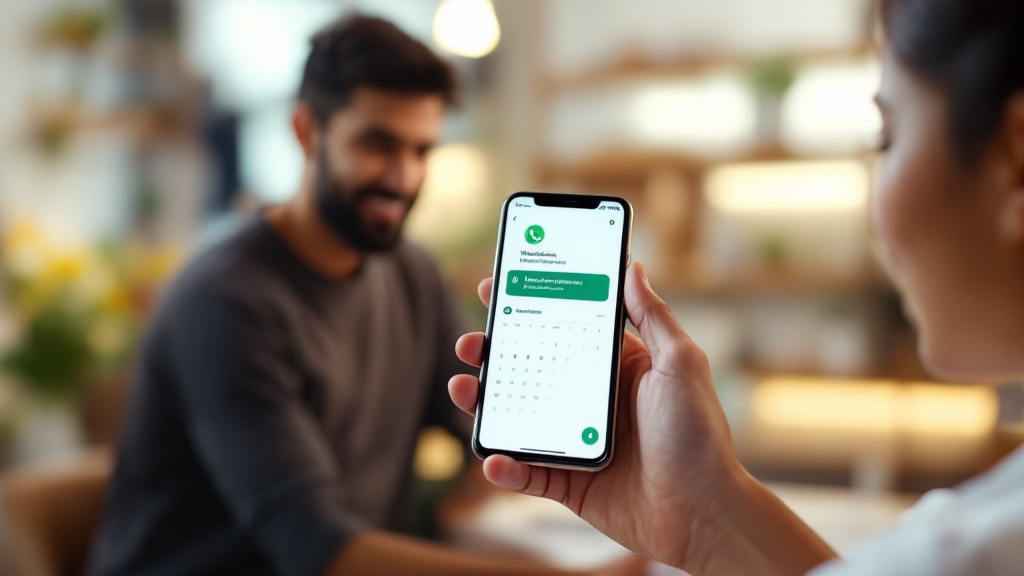
A quick reply does more than answer a question; it keeps momentum moving toward a booking. Customers who receive clear information about services, prices, hours, and policies are more likely to continue the conversation. If they can also select an available slot immediately, fewer enquiries fall through between interest and appointment confirmation. This matters for clinics, repair providers, consultants, tutors, and salons, where every uncompleted booking represents unused staff time or an empty schedule gap.
The impact continues after the appointment is booked. Customers may forget the date, need to reschedule, or fail to arrive if there is no reminder. A dependable customer response time, followed by automated confirmations and WhatsApp reminders, supports appointment completion and builds confidence. Businesses can measure this by comparing response-time ranges with outcomes: enquiry-to-booking rate, booking-to-attendance rate, cancellation frequency, and repeat visits. For example, compare leads answered within 15 minutes against those answered the next day. This turns a vague concern about slow replies into evidence that can guide staffing, automation, and follow-up decisions.
How Local Businesses Can Measure and Reduce Missed Opportunities
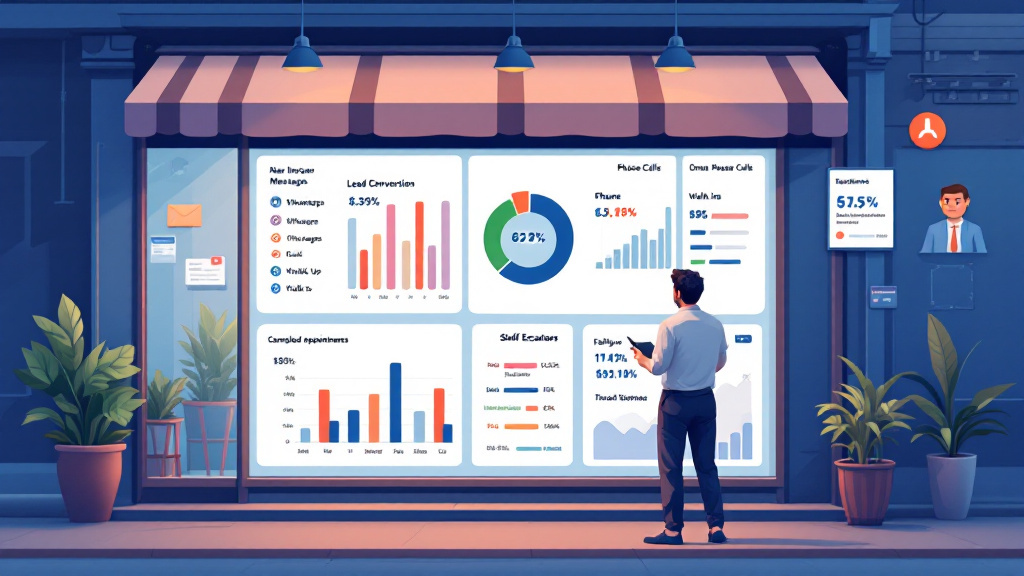
Start with a simple response-time audit across WhatsApp, calls, and walk-ins. Record when each enquiry arrives, when someone responds, what the customer wanted, and whether it became a booking. Add the outcome: no response, lost lead, confirmed appointment, cancellation, or completed visit. Review the data by day and time to identify gaps, such as evenings, lunch hours, or periods when staff are serving customers. This creates a baseline for lead conversion and shows where customer response time needs attention.
Next, standardise the first response with approved FAQs, service details, pricing, business hours, and booking rules. WhatsApp automation can answer routine questions, offer available slots, send confirmations, and escalate unusual requests to staff. Keep human handoff available for sensitive or complex conversations. Review the results monthly by tracking faster replies, completed bookings, missed-call callbacks, cancellations, and repeat customers. The goal is not to replace personal service; it is to make sure every genuine enquiry receives a timely, accurate next step. For many Indian service businesses, reducing the delay between question and action can protect revenue without requiring a full-time receptionist.